Tree Trimming in North Olmsted: What Homeowners Should Know
Learn when and why to trim trees in North Olmsted, plus tips for keeping your yard safe and healthy year-round.
Tree trimming in North Olmsted keeps your trees healthy, your property safe, and your yard looking its best through every season. The right timing and technique make a real difference, especially with the mature oaks, maples, and elms common in older North Olmsted neighborhoods. Down to Earth Tree Service works with homeowners across this area to keep trees strong and well-shaped without over-cutting.
Why Tree Trimming Matters in North Olmsted
North Olmsted has a mix of established subdivisions and newer developments. Many yards have large, older trees that have grown close to homes, driveways, and power lines. Without regular trimming, those trees can become a hazard. Dead or weak branches are the most common cause of property damage during storms. Northeast Ohio winters bring heavy snow and ice, and late summer brings strong thunderstorms. Both put real stress on poorly maintained trees.
Regular tree trimming removes dead wood, improves the shape of the canopy, and lets more light reach your lawn and garden beds. It also helps your trees live longer by reducing disease spread and pest damage.
Best Times to Trim Trees in This Region
Most trees in North Olmsted and nearby towns like Westlake, Rocky River, and Bay Village do best when trimmed in late winter or early spring, before new growth starts. Here is a simple breakdown by season.
- Late winter (February to March): The best time for most deciduous trees. The tree is dormant, cuts heal fast, and pests are not active yet.
- Early spring (April): Fine for light shaping once buds start to show. Avoid heavy cuts at this stage.
- Summer: Good for removing dead or damaged branches. Avoid heavy trimming, which can stress the tree in heat.
- Fall: Generally avoid trimming in fall. Cuts do not seal well before winter, and fungal spores are active.
There are exceptions. Fruit trees, flowering trees like dogwoods and magnolias, and certain oaks have specific timing needs. If you are not sure, it is always smart to ask a professional before cutting.
Signs Your Trees Need Trimming Now
You do not always need to wait for a scheduled visit. Watch for these warning signs on your property, whether you are in North Olmsted, Berea, Strongsville, or anywhere else we serve.
- Branches that hang over your roof, gutters, or HVAC equipment
- Limbs touching or growing toward power lines
- Dead branches that snap easily or show no leaves in spring
- Crossing or rubbing branches that create open wounds on the bark
- A canopy so dense that sunlight barely reaches the ground below
- Branches that block sightlines from your driveway or front walk
Any of these issues can get worse quickly. A branch that looks stable in calm weather can fall during the next wind event.
How Professional Trimming Protects Your Home
DIY trimming on small, low branches is reasonable for many homeowners. But work above roughly ten feet, near power lines, or on large limbs should be handled by a trained crew with the right equipment. Improper cuts, like leaving a ragged stub or cutting too close to the trunk collar, can lead to rot, disease, and structural weakness that shortens the life of the tree.
Homeowners in Avon, North Ridgeville, and Columbia Station often have larger lots with multiple mature trees. Managing all of them safely on your own adds up to a lot of risk. A professional team works efficiently, disposes of debris, and spots problems you might not notice, like early signs of disease or root stress.
When trimming reveals deeper issues, it sometimes connects to broader tree health care needs, such as treating fungal infections, managing soil compaction, or planning for a tree that may need removal in the future.
What to Expect from a Trimming Visit
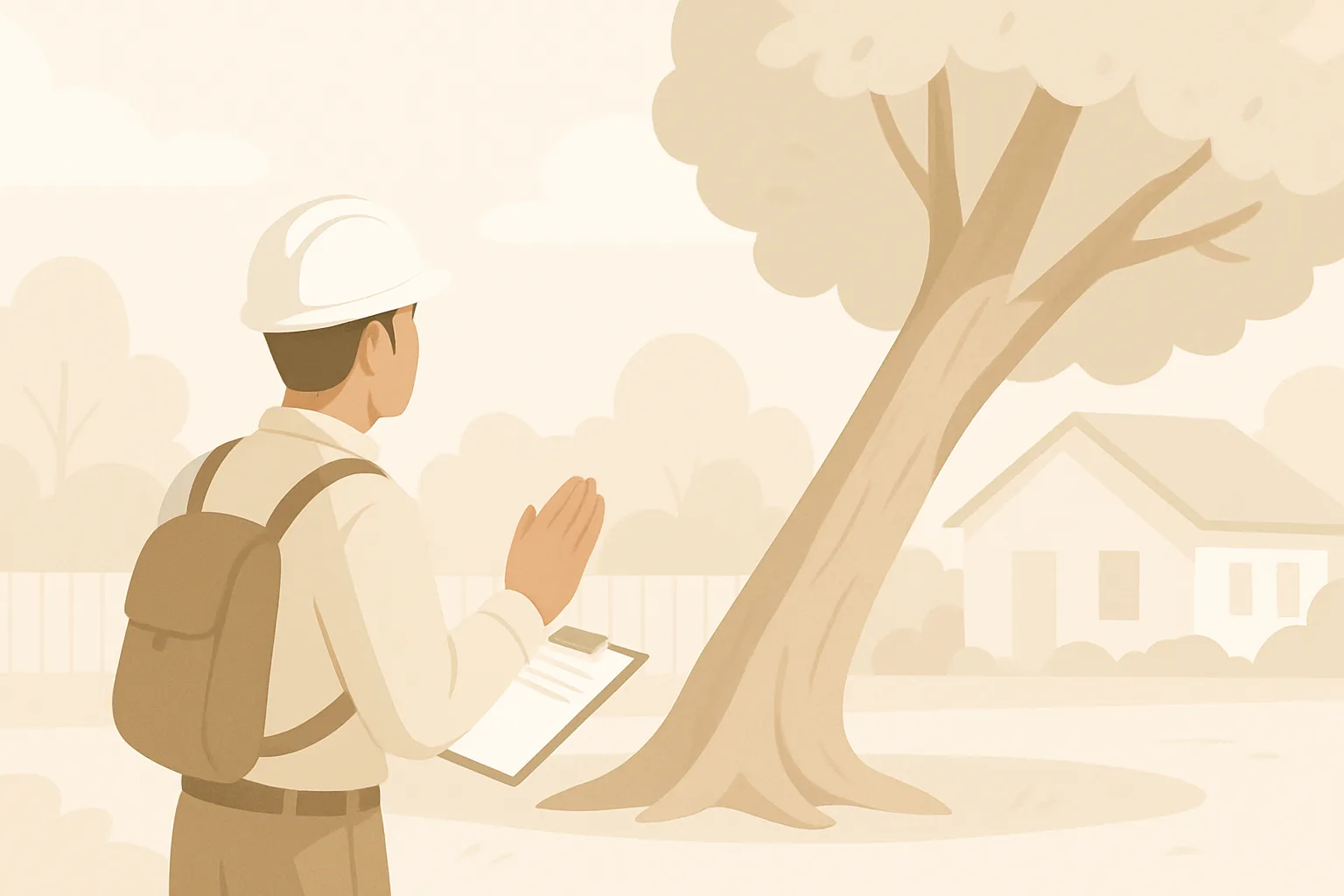
A good trimming job starts with a quick walk-around to assess each tree. The crew looks at the overall structure, checks for dead wood, and notes any branches near structures or utilities. Then they make targeted cuts using proper pruning tools, clean cuts at the right angle to encourage fast healing.
After trimming, all brush and debris should be removed from your yard. You should be left with trees that look natural and well-balanced, not stubbed or over-thinned. If a tree is beyond saving with trimming alone, the crew will let you know and explain your options, which may include tree removal.
Questions Homeowners Ask
How often should I have my trees trimmed?
Most healthy trees benefit from a professional trim every two to three years. Fast-growing trees or those near structures may need attention more often. Your arborist can give you a specific schedule based on what you have in your yard.
Can I trim a tree that is close to a power line?
No. Work near utility lines should only be done by trained professionals with the right certifications and equipment. Contact your utility provider or a qualified tree service before touching anything close to a line.
Will trimming hurt my tree?
Done correctly, trimming helps your tree by removing dead weight and improving airflow through the canopy. Over-trimming or improper cuts can cause stress, so the technique and timing matter.
Do you serve areas outside North Olmsted?
Yes. Down to Earth Tree Service works throughout the area, including Olmsted Falls, Avon Center, Eaton Estates, and all the other communities nearby.
If your trees need attention this season, reach out to Down to Earth Tree Service for a free quote. We serve North Olmsted and the surrounding communities and are ready to help you keep your yard safe and healthy. Request your free quote today or learn more about our tree trimming services.
More from our blog
Get Your Free Quote
Licensed, insured, and ready to help. Let's get it done right.